 Depot Weltkulturen Museum. Photo: Peter Wolff
Provenance research on human remains from Indonesia and Oceania
In this research project, the Weltkulturen Museum is examining the provenance of human remains from Indonesia and Oceania. The focus is on the remains of eleven individuals who arrived in Frankfurt in the early 20th century as part of colonial appropriation practices – from the island of Sumatra and from eastern New Guinea. The aim of the six-month project was to investigate the identities and stories of origin of these individuals, to reconstruct their biographies as far as possible, and thereby to enable a rehumanisation of the deceased. In the future, repatriation to any descendants is to be initiated in consultation with the respective communities of origin.
The project also examines the role of key figures involved in the acquisition of the skeletal remains. These include, in particular, the museum’s founder, Bernhard Hagen (1853–1919), who worked as a physician for the Dutch colonial government in Sumatra from 1879 to 1892 and on tobacco plantations in New Guinea from 1893 to 1895. The human remains in question likely originate from the context of his work as a tropical physician – the deceased may have been plantation workers and thus patients of Hagen’s. Two of the skulls acquired by Hagen bear the name and estimated age of the deceased, providing initial clues. Further human remains from northern Sumatra were acquired in 1911 by the geographer Wilhelm Volz. Hagen and Volz conducted research in the same region, suggesting possible contacts or connections between the two scientists.
By combining archival research, collection analysis, morphological examination and cooperation with communities of origin, the project lays a solid foundation for coming to terms with the museum’s colonial history. As part of the project, perspectives for responsible, respectful measures in dealing with these sensitive holdings in the museum’s storage facilities and database were also being discussed.
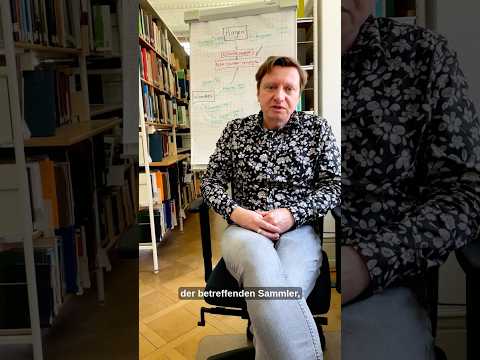
In this short video provenance researcher Godwin Kornes talks about the research project: